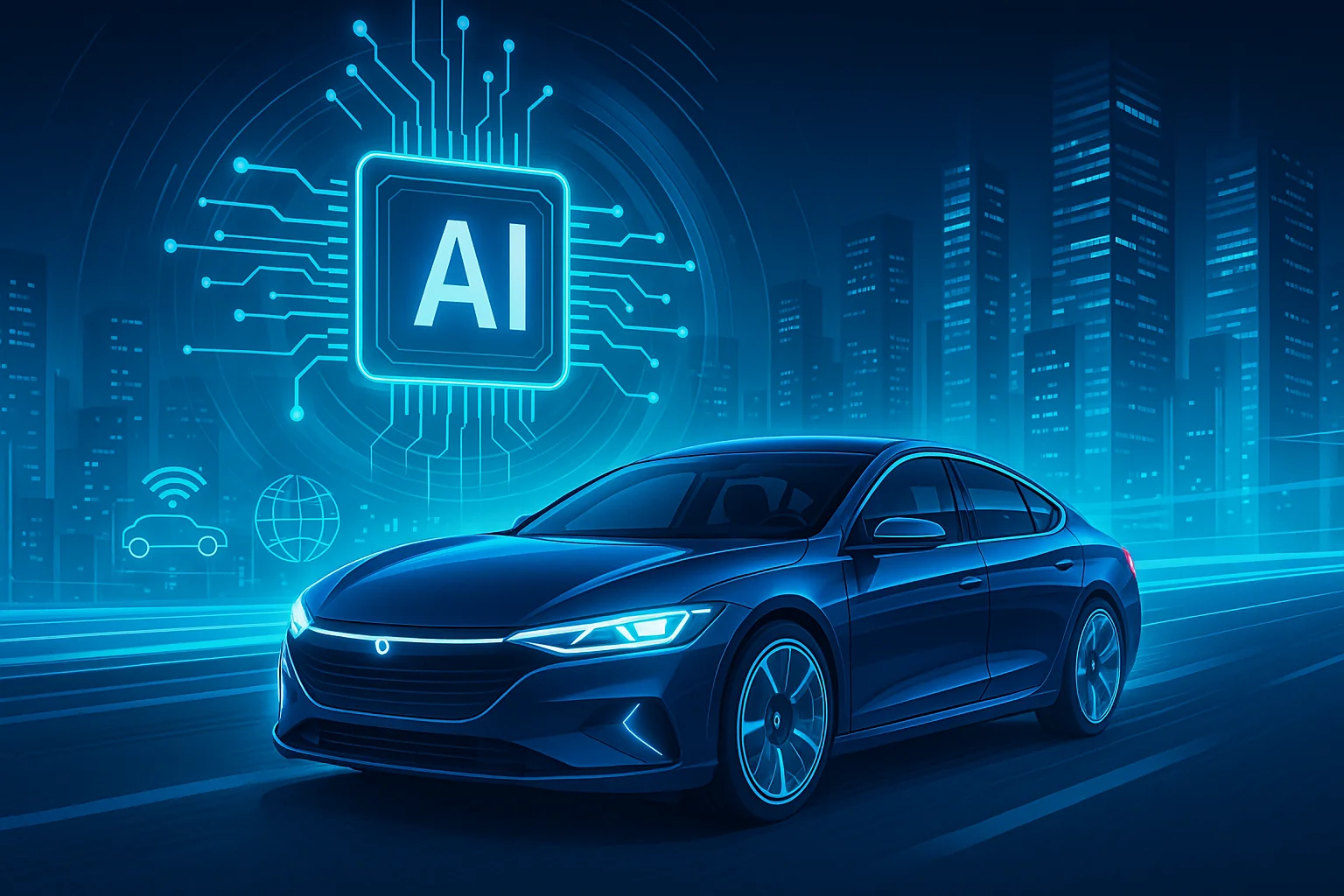
The auto world is experiencing major changes. Innovation in artificial intelligence, electric vehicles (EV), and advanced connectivity systems makes cars not just transportation tools, but also Smart assistant on the road..
In 2025, a number of technologies began to redefine how we drive, nurture, and enjoy vehicles. Here's a summary of the current technological progress of vehicles that you're obliged to know about.
1. Artificial Intelligence and Smart Car.
Technology AI Now the brain behind many modern features on the vehicle. Not just for entertainment or navigation, but also for the safety and efficiency of the production plant.
AI applications for cars:
- Advanced driver's aid system (ADAM): recognize the conditions of roads, pedestrians, and other vehicles to avoid collisions.
- Adaptive car: studying the behavior of the driver and adjusting the position of the chair, cabin temperature, to the favourite route automatically.
- AI-based automatic production: improve manufacturing quality and suppress risk of product defects.
Why is this important?
AI makes vehicles more Safe, responsive, and personal, and pave the way to autonomous car. who can actually drive on his own in the future.
2. Electrical Vehicle and Quick Charging Infrastructure
Transition to electric vehicle (EV) It is now accelerating worldwide. Battery technology is getting more efficient, and the charge process is getting faster.
The latest innovation in the EV world:
- Super-fast battery: producers like CATL (China) present batteries capable of filling 80% in just a few minutes.
- The mileage is getting farther.: one charge can reach over 800 km.
- Global charging infrastructure: fast charging stations are now spreading across many countries, including Indonesia.
Supported by government policy and environmental awareness, electrical vehicles become the primary choice of the future eco-friendly and energy efficient.
3. Car communication to V2X.
Technology Vehicle- to-Everything (V2X) It allows cars to communicate with other vehicles, road infrastructure, even pedestrians.
Applied example:
- Cars can received early warning From traffic lights or street sensors about potential danger ahead.
- Network integration 5G and edge computing Makes the vehicle response happen in real-time.
The result? The driver gets faster information and the driving experience is safer and more efficient.
Four. Advanced User Interface and View
Besides the machines and internal systems, The way we interact with cars It's also changing drastically.
The futuristic features that began to appear:
- Head-Up Display (HUD): display the navigation directly on the windshield to keep the driver on the road.
- Augmented Reality (AR): add virtual information in real environment — Like the road direction or the point of danger.
- Inintuitive touchscreen: replace physical buttons with a responsive digital panel like smartphone.
Today's car is more like computer running than conventional vehicles.
Otomotive Industrial Chance and Challenge
Despite technological progress so quickly, the auto industry still faces a number of challenges:
- Global supply chain That's complex, especially for batteries and vehicle chips.
- Keamanan siber & privasi data: mobil modern semakin rentan terhadap serangan digital.
- Kesiapan infrastruktur untuk mendukung pengisian daya EV dan jaringan V2X.
- Kepercayaan publik terhadap mobil otonom masih perlu waktu dan edukasi.
Namun di balik tantangan itu, terbuka peluang besar bagi perusahaan dan inovator yang siap beradaptasi.
Kesimpulan: Masa Depan Kendaraan Sudah Dimulai
Perpaduan AI, kendaraan listrik, V2X, dan antarmuka canggih menunjukkan bahwa masa depan transportasi sedang hadir di depan mata.
Kita tidak lagi berbicara soal mobil sebagai alat, tapi sebagai ekosistem pintar yang terkoneksi.
Dunia otomotif kini memasuki era baru — dan siapapun yang mengikuti perkembangan ini akan menjadi bagian dari revolusi tersebut.
Jadi, apakah kamu siap menyambut masa depan mobil pintar?
- Mobil yang bisa menerima peringatan dari lampu lalu-lintas atau sensor jalan bahwa akan ada bahaya di depan.
- Integrasi dengan jaringan 5G/edge computing untuk respon real-time.